
Kindergarten sight words become easier when children meet them in meaningful sentences, notice their letter patterns, say their sounds, and retrieve them through brief repeated practice. Memorizing a long wall of flashcards is not the goal. Many common words are fully decodable once children know the relevant phonics patterns, while a small irregular part may need special attention. This guide shows families and teachers how to choose a manageable word set, teach it alongside phonics, play low-pressure games, and check whether a child can recognize and use each word in real reading.
In this guide
Getting ready safely
Begin with the words used by the child’s school or reading program so home practice reinforces classroom instruction. Select three to five words at a time. Write them in clear lowercase print on separate cards and prepare one short decodable or familiar sentence for each. Keep letter tiles, a pencil, paper, and a book containing the target words nearby. Practice for five to ten minutes, ideally when the child is alert. Review known letter-sound relationships before asking the child to read a new word.
For related learning ideas, explore reading comprehension worksheets. For additional background, see Reading Rockets guidance on high-frequency words.

Kindergarten Sight Words Activities and Ideas
1. Read, build, write
Show one word, read it together, build it with letter tiles, then write it from memory. Compare the result with the model and calmly fix one part at a time.
2. Sound mapping
Say the word slowly and move a counter for each sound. Match letters to those sounds, then mark the unusual spelling part that needs to be remembered by heart.
3. Sentence detective
Write two simple sentences containing the target word. Ask the child to circle it, read the whole sentence, and explain what the sentence means.
4. Word hunt in books
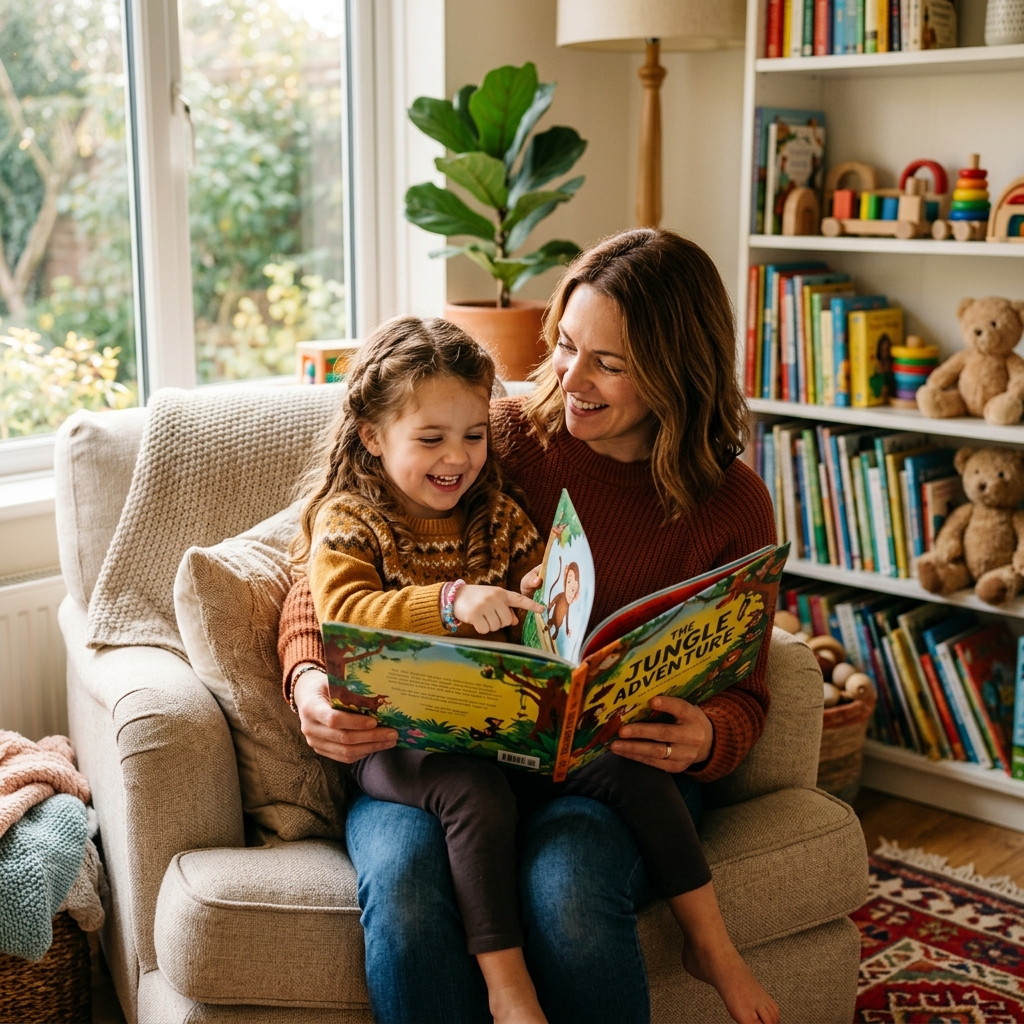
Choose a familiar picture book and search for one target word. Read the surrounding sentence each time so recognition stays connected to comprehension.
5. Memory match
Make two cards for each of five words and play a face-down matching game. A player keeps a pair only after reading the word correctly or using it in a sentence.
6. Tactile tracing
Write a word in a shallow tray of sand or trace it on textured paper while saying each sound or letter sequence. Keep the activity clean and supervise sensory materials.
7. Missing-word choice
Read a sentence with one blank and offer two word cards. Ask which word makes sense and how the child knows, then reread the completed sentence smoothly.
8. Word ladder review
Place known word cards like ladder steps. The child reads upward; if one word is difficult, model it, rebuild it, and return to it after two easier words.
9. Roll and read
Number six word cards and roll a die. Read the matching word and find it in a sentence. Use fewer target words and repeat cards when the set is new.
10. Magnetic-letter mix-up
Build a target word, scramble its letters, and ask the child to restore the order. Say the sounds while moving letters so the task does not become visual guessing.
Need another direction? Browse free kindergarten phonics workbook and adapt one idea to the child’s age, interests, and available space.
11. Quick-write sentence
Invite the child to write a tiny sentence using one target word. Accept developmentally appropriate spelling for other words and help the child reread the message.
12. Sort by pattern
Group words with similar spellings or sounds, such as words beginning with th or containing a known vowel pattern. Discuss what is regular and what is unexpected.
13. Doorway review
Post one or two words by a frequently used doorway. Read them once while passing, but retire them after mastery so the display stays focused.
14. Teacher game
Let the child teach a toy how to read a word, correct the toy’s playful mistake, and explain the tricky part. Explaining strengthens attention and confidence.
15. Timed—but not raced—review
Read a familiar set for one minute and record the child’s own score. Repeat on another day only if the child enjoys it; never compare children or trade accuracy for speed.
A simple learning routine
A productive weekly cycle introduces a few words on Monday, builds and reads them on Tuesday, finds them in text on Wednesday, writes them in sentences on Thursday, and reviews them in a short game on Friday. Continue mixing previously learned words into every session. Mark a word as secure only when the child reads it in isolation and in a sentence on more than one day. If recognition disappears, return to sound mapping and meaningful text rather than increasing pressure.
Keep a small note of what the child attempted, what felt easy, and what deserves another try. For printable or hands-on follow-up, visit early literacy activities. Progress is easier to see when adults compare a child with their earlier work rather than with siblings or classmates.
Common mistakes to avoid
Avoid teaching dozens of unrelated words at once or encouraging children to guess from the first letter and picture. Pictures support meaning, but the printed word must guide identification. Do not cover up a child’s uncertainty with constant prompting; wait a moment, ask them to look through the whole word, then model if needed. Difficulty with a particular list does not by itself diagnose a reading problem. If concerns persist across instruction and time, discuss them with the child’s teacher or a qualified reading specialist.
How to adapt the activity
For a younger learner, reduce the number of steps, model one action at a time, and offer two choices instead of an open-ended decision. For an older or more experienced child, ask them to plan materials, predict an outcome, explain a strategy, or teach the activity to someone else. Adapt tools, movement, noise, timing, and communication so the child can participate meaningfully. Breaks and alternative roles are valid supports, not rewards that must be earned.
How to know the activity worked
Success is not limited to a perfect finished product or score. Look for attention, safe tool use, clearer explanation, willingness to revise, independent choices, and enjoyment. Ask three closing questions: “What did you notice?”, “What was difficult?”, and “What would you do differently next time?” Record one sentence or photo if the child agrees. This reflection turns a pleasant activity into reusable learning without making it feel like a test.
Frequently asked questions
How many sight words should a kindergartener know?
Schools and programs use different lists and timelines. Focus on the words currently taught in the child’s curriculum and on accurate reading in sentences, not a universal number or comparison with classmates.
Are sight words the same as high-frequency words?
Not exactly. High-frequency words occur often in text. A sight word is any word a reader recognizes automatically. With practice, both regular and irregular words can become sight words.
Should children sound out sight words?
Use phonics wherever the spelling is regular and draw attention to any unexpected part. Connecting sounds and letters creates a stronger memory than treating every common word as an arbitrary picture.
How long should we practice each day?
Five to ten focused minutes is enough for many kindergarten children. Stop before frustration, read enjoyable books too, and revisit words across several days.
What if my child keeps forgetting a word?
Reduce the number of new words, rebuild the word with letters, map its sounds, and use it in several meaningful sentences. Frequent brief retrieval is more useful than one long drill.
A sample five-word teaching lesson
Choose five words from the classroom list and begin by reading them in a short, meaningful message. Take the first word apart: say it, stretch its sounds, build it with letters, and identify any spelling that is not yet expected from the child’s phonics knowledge. Repeat with only one or two new words; the remaining cards should be familiar review. Mix the cards, ask the child to read each one, and immediately return every word to a complete spoken sentence. This prevents rapid card naming from becoming disconnected from language and comprehension.
Finish by writing one dictated sentence together. Let the child supply the target word and any letters or sounds they know in the other words, while the adult supports the rest without criticism. The next day, begin with retrieval rather than reteaching: show each card briefly and note which words are automatic, which require sounding out, and which need rebuilding. A word read slowly but accurately is progress. Automatic recognition develops through many successful encounters, so continue shared reading and phonics instruction alongside the small word set instead of drilling the same stack until the child is tired.
Final thoughts
Start small, prepare the environment, and let the child’s response guide the next step. A short activity that ends with curiosity is more valuable than a complicated plan completed under pressure. Save the ideas that fit your family or classroom, repeat the favorites, and change only one challenge at a time so children can notice their own progress.