
Educational Games
Educational games turn learning into play. Browse our curated collection of brain-boosting games that teach math, reading, memory, and problem-solving — all while kids think they're just having fun. Perfect for after-school enrichment, homeschool brain breaks, and family game night.
✨ Key Takeaways
- Learning + play = retention: Game-based learning improves recall by up to 40% vs. passive instruction.
- Screen-free wins: Board games and card games build social skills alongside academics.
- Best ages: Most educational games work for ages 4+, with simpler versions for toddlers.
- Daily dose: 15–20 minutes of game play boosts focus and working memory.
- Top picks: Math war (cards), sight word bingo, memory match, Boggle Junior.
Latest Educational Games Articles
15 Best Games for Kids (2026): Board, Card, & Outdoor Fun
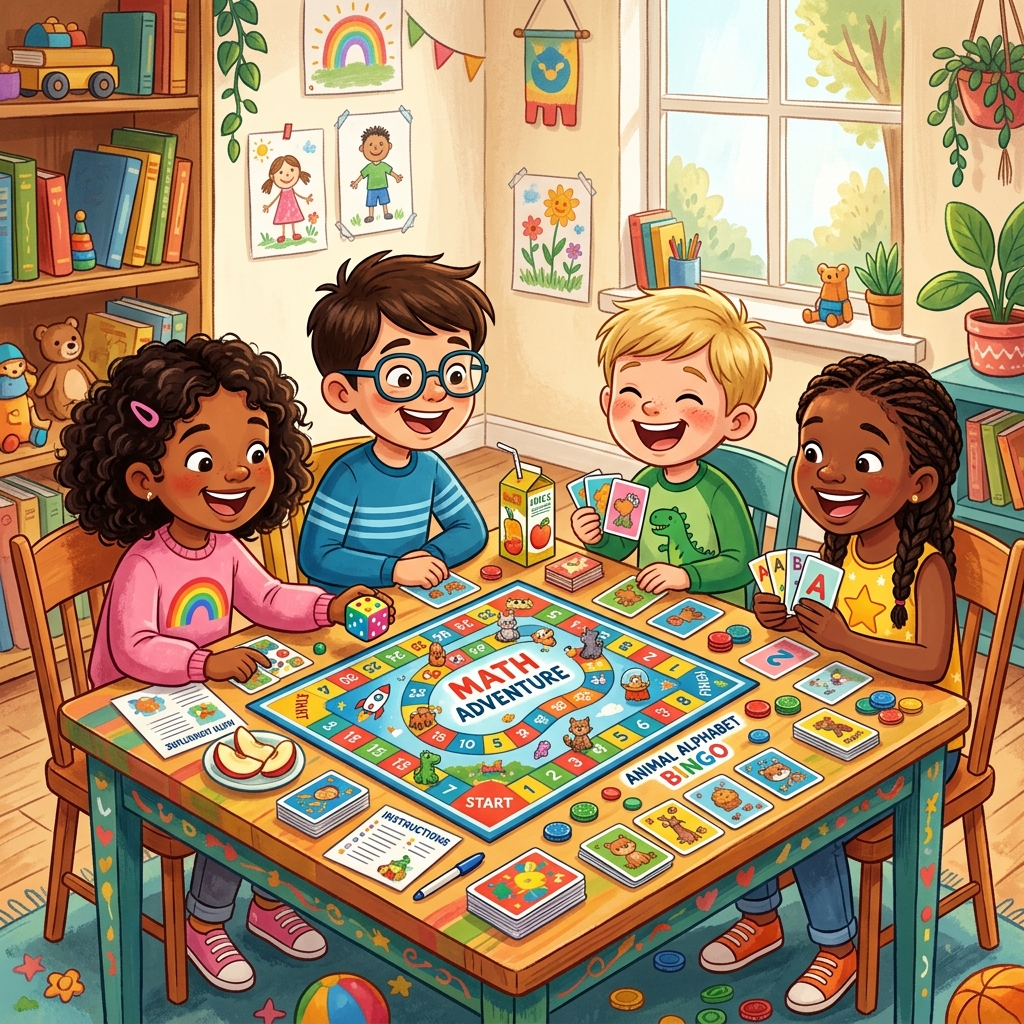
Are you looking for the absolute best games for kids that combine pure fun with significant educational value? Playtime is arguably the most essential part of growing up, and incorporating the right play activities can dramatically enhance cognitive, social, and emotional development. From strategic tabletop challenges that force them to think three steps ahead, to …Read More
20 Best Games for Kids: Board, Card, and Outdoor Fun

Explore the best games for kids, including educational board games, fun card games, and energetic outdoor activities perfect for family bonding.Read More
Frequently Asked Questions
What makes a game educational?
An educational game teaches a specific skill (math, reading, logic, social) while remaining genuinely fun. The best ones embed learning naturally so kids don't feel they're studying. Look for games requiring decision-making, pattern recognition, or counting.
Are video games educational too?
Some are excellent. Research-backed picks include Minecraft Education (creativity, logic), Prodigy (math), and Khan Academy Kids (free, ad-free). The American Academy of Pediatrics recommends pairing screen games with hands-on play.
Best educational games for ages 4–6?
Memory match (cards), sight word bingo, Uno (number recognition), Zingo, simple board games like Candy Land for counting, and apps like Khan Academy Kids.
Best educational games for ages 7–10?
Math war (playing cards), Boggle Junior, Scrabble Junior, chess basics, logic puzzles, and strategy games like Ticket to Ride: First Journey.
Can educational games replace school?
No — they're supplements, not substitutes. But 15–20 minutes daily of skill-targeted game play significantly reinforces classroom learning and builds love for the subject.