Literacy & Reading
Help your child fall in love with reading. Our literacy activities cover everything from alphabet recognition and phonics for beginners, to sight words, reading comprehension, and creative writing for older kids. Backed by science of reading research.
✨ Key Takeaways
- Read aloud daily: 20 minutes/day = 1.8 million more words by age 5 vs. non-readers.
- Phonics first: Science of Reading research backs systematic phonics over whole-word.
- Sight words matter: 100 high-frequency words make up 50% of English text.
- Reading age: Most kids decode by 6–7, fluent reading by 8–9.
- Library wins: Kids who visit libraries weekly read 50% more books per year.
Latest Literacy & Reading Articles
7 Best Preschool Activities for Early Literacy and Reading
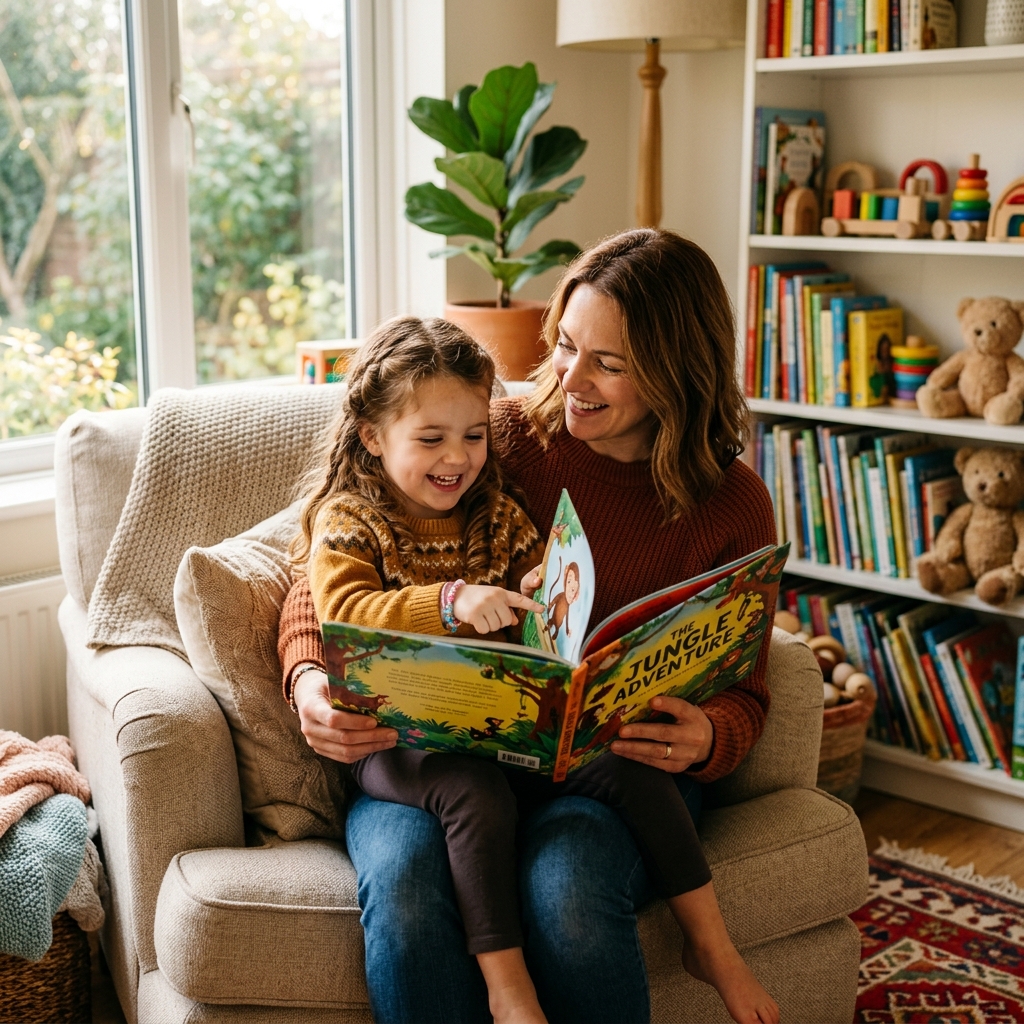
Discover the 7 best preschool activities for early literacy and reading. Build a strong foundation with phonics, alphabet games, and sight words today.Read More
7 Best Reading Comprehension Worksheets & Literacy Tools for Kids
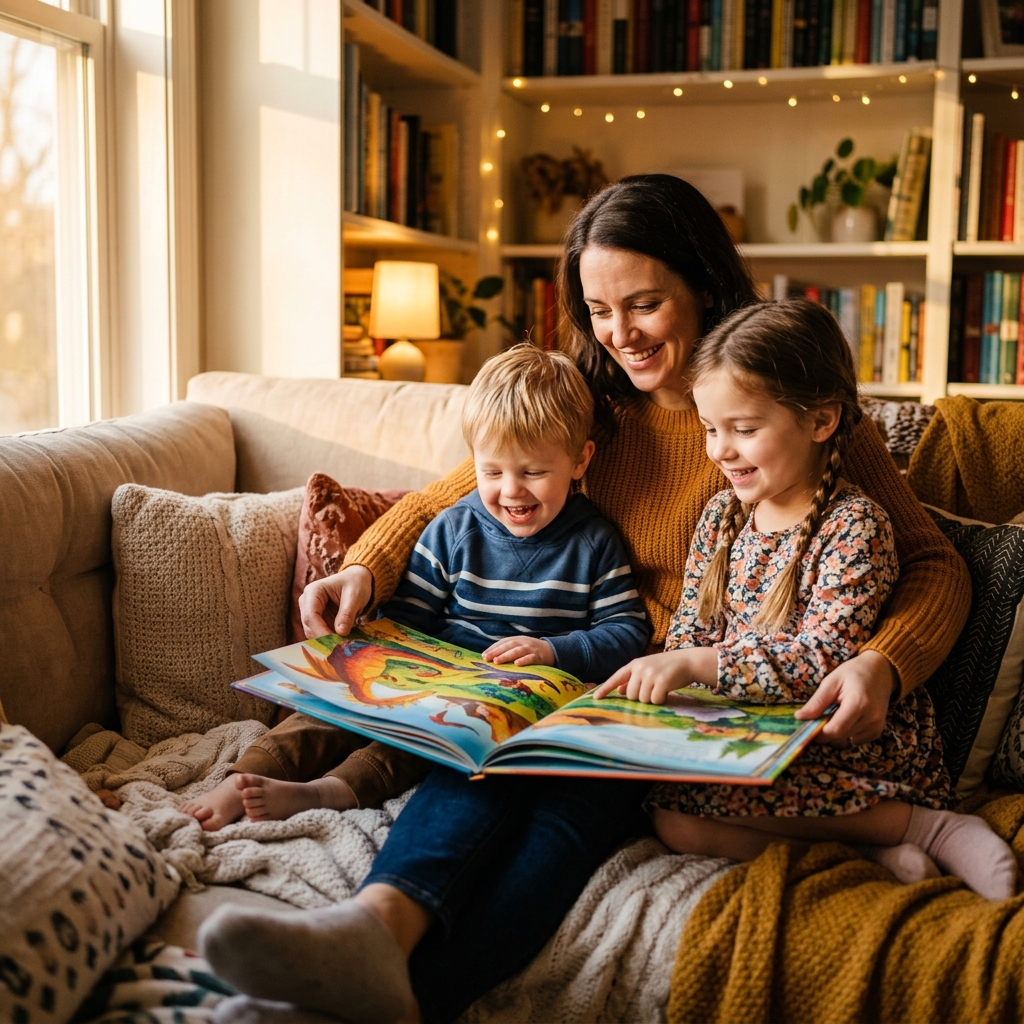
Discover practical and fun ways to foster a love for reading in children, utilizing phonics, sight words, and reading comprehension worksheets.Read More
Frequently Asked Questions
When should I start teaching my child to read?
Pre-reading begins at birth with read-alouds. Letter recognition typically starts at 3–4, phonics at 4–5, basic decoding at 5–6. Most kids read fluently by 7–8. Don't push — follow their lead.
What is the Science of Reading?
A research-backed approach based on decades of cognitive science. Five pillars: phonemic awareness, phonics, fluency, vocabulary, comprehension. It replaces the older "whole language" or "three-cueing" methods that left many kids behind.
How do I teach sight words at home?
Start with 5 words at a time from the Dolch list (the, and, is, can, see). Use flashcards 5 minutes daily. Play matching games. Write them on sidewalk chalk. Our free sight words printable covers the top 8.
My child hates reading. What do I do?
Stop forcing books they hate. Try graphic novels, audiobooks, magazines, sports cards, even cereal boxes — reading is reading. Find their interest. Read TO them above their level. Make books an event, not a chore.
What's the best way to improve reading comprehension?
Ask questions before, during, and after reading. "Who is the main character? What just happened? What do you think happens next?" Connect stories to real life. Try our free comprehension worksheet.