
A science investigation starts with a question you can compare, not a promised result. Choose one feature to change, keep relevant conditions the same, record observations, and explain what the evidence does and does not show. This guide focuses on that planning process; the kitchen science activity guide supplies separate starting demonstrations.
In this guide, we will explore some of the most exciting and educational projects you can set up easily. From classic chemical reactions to beginner physics, these hands-on activities will transform your little ones into eager young scientists.

Why You Should Try Science Experiments for Kids
The secret to great science experiments for kids is to focus on the process rather than getting the “right” answer. When children hypothesize what might happen, they are practicing critical thinking. Encourage them to ask “What if?” during the experiment.
To keep it engaging, relate the science to things they already love. If they love playing with water, explore buoyancy. If they are fascinated by cars, build a simple ramp to study friction. Making science relevant to their daily lives ensures they stay curious and eager to learn more. For a different type of logical challenge, explore our math for kids activities. You can read more about the importance of early STEM education on NAEYC.
Choose a Question You Can Compare
You don’t need a professional laboratory to do easy science experiments for kids. Your kitchen pantry is already stocked with amazing chemicals! The classic baking soda and vinegar volcano is a perfect example of an acid-base reaction that never fails to impress.
Another fantastic idea is making “oobleck” with cornstarch and water. This non-Newtonian fluid acts like a liquid when you pour it, but like a solid when you squeeze it. This sensory activity introduces complex physics concepts in an incredibly tactile way, making it one of the most popular science experiments for kids of all ages.
Creative Science Projects and STEM Activities
As your children grasp the basics, you can introduce more structured science projects for kids. Building a bridge out of marshmallows and toothpicks, for example, challenges them to think like engineers. For more ideas, be sure to check out our Arts & Crafts section which pairs perfectly with engineering projects.
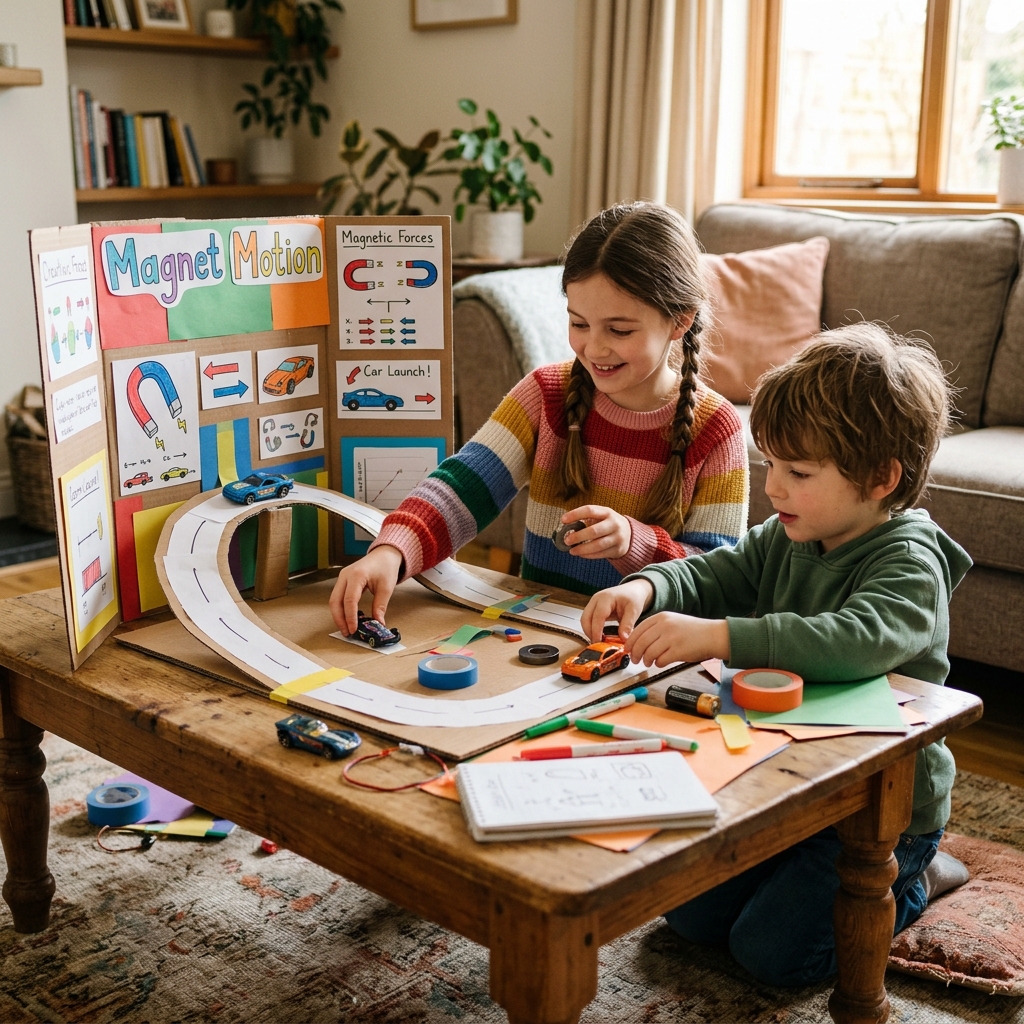
You can also create simple circuits using a battery, copper tape, and a small LED light. These hands-on engineering challenges teach resilience, as children must often tweak their designs multiple times before they work perfectly.
Ideas for Science Fair Projects for Kids
When it is time for school, having a repertoire of science fair projects for kids gives them a huge advantage. A great science fair project goes beyond a simple demonstration; it involves changing a variable and measuring the outcome. For instance, testing which brand of paper towel absorbs the most water, or seeing how sunlight affects plant growth.
Remember, the best science fair projects are driven by the child’s own interests. Let them take the lead in choosing the topic, designing the experiment, and creating the presentation board. Your role is simply to supervise and encourage.
Top Educational Science Kits and Games
Sometimes, the easiest way to explore science is through curated materials. Science kits for kids provide all the necessary components for complex experiments, from growing crystals to building solar-powered robots. They are excellent gifts that provide hours of educational entertainment.
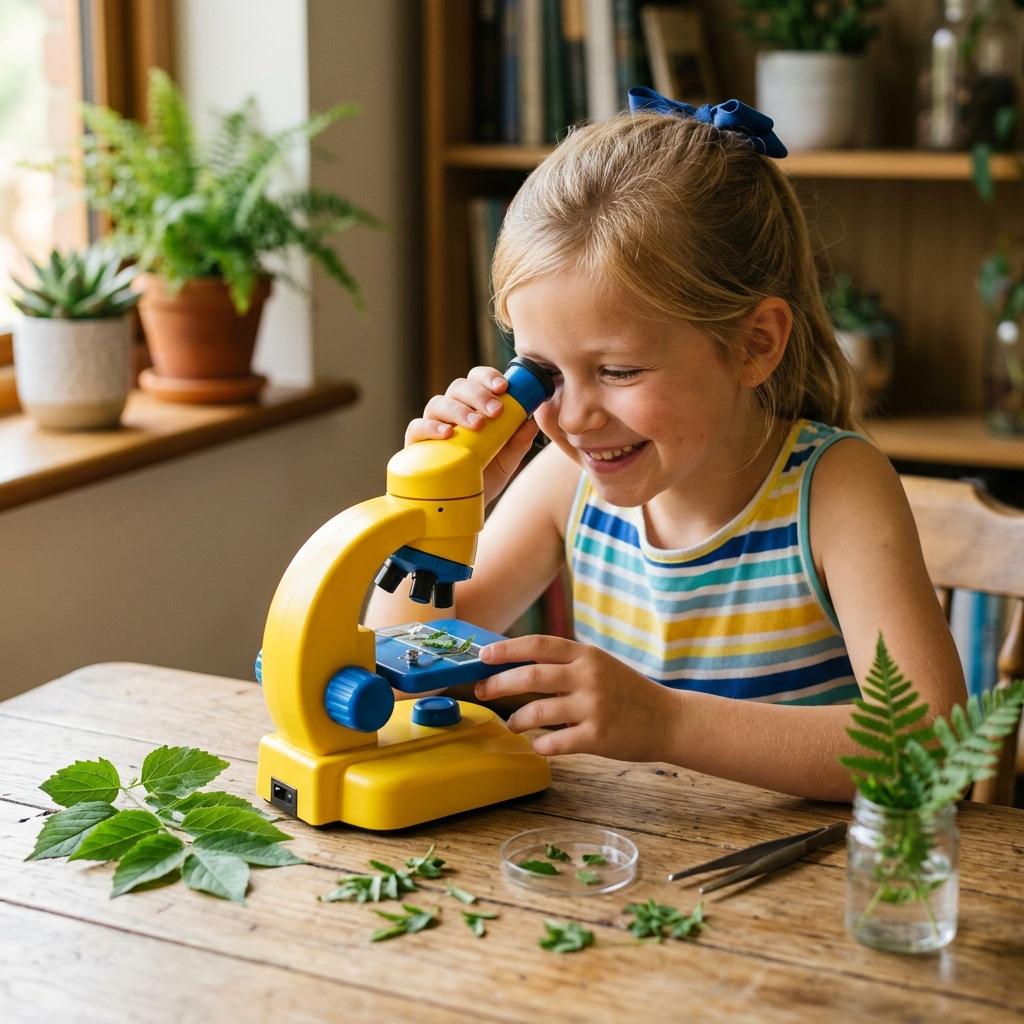
In addition to physical kits, there are many interactive science games available online and as board games. These games reinforce scientific vocabulary and concepts in a competitive, fun environment, ensuring that learning continues long after the experiment is cleaned up. Don’t forget to look at our Educational Games category for similar recommendations!
Conclusion
Fostering a love for science early on sets children up for a lifetime of curiosity and analytical thinking. By incorporating these exciting science experiments for kids, STEM projects, and educational games into your home routine, you are providing them with the tools they need to understand and innovate in the world around them. So grab your safety goggles and start experimenting today!
Frequently Asked Questions
What are some safe science experiments for kids?
Safe experiments include making a baking soda and vinegar volcano, creating slime with safe household ingredients, and exploring density by layering oil, water, and syrup in a jar. Always supervise children during any experiment.
How do STEM activities benefit young children?
STEM activities promote critical thinking, problem-solving, and creativity. They teach children how to approach challenges logically and how to persist through trial and error when building or designing solutions.
At what age can kids start using science kits?
Many basic science kits are designed for children as young as 4 or 5 years old. These usually focus on simple sensory experiments like mixing colors or growing large crystals. Always check the manufacturer’s age recommendations.
How can I help my child choose a science fair project?
Encourage your child to think about what naturally interests them—whether it is sports, cooking, animals, or video games—and design an experiment around that topic. A project they are passionate about will yield the best results.
Original Fair-Test Example: Two Paper Bridges
Question: How does folding change the load a paper bridge holds over the same gap? Use matching paper, stable supports, and equal age-appropriate test weights. An adult checks the setup and supervises testing.
- Make one flat bridge and one folded bridge from matching sheets.
- Keep the gap, weight type, and loading position consistent.
- Add one equal weight at a time and record what happens.
- Repeat with fresh paper if useful and compare the observations.
The result depends on the actual design and setup; do not declare a universal winner. Write a prediction before testing and distinguish it from the observation. Record the method with the science experiment log, or compare a different design through the tower challenge. Browse the STEM collection for other routes.