
For many children, math can seem intimidating. However, it doesn’t have to be! With the right approach and engaging resources, you can transform numbers from a source of stress into an exciting challenge. In this guide, we will explore the best math worksheets and interactive games designed to make learning math a fun and rewarding experience for your child.
Why Practice Math with Fun Resources?
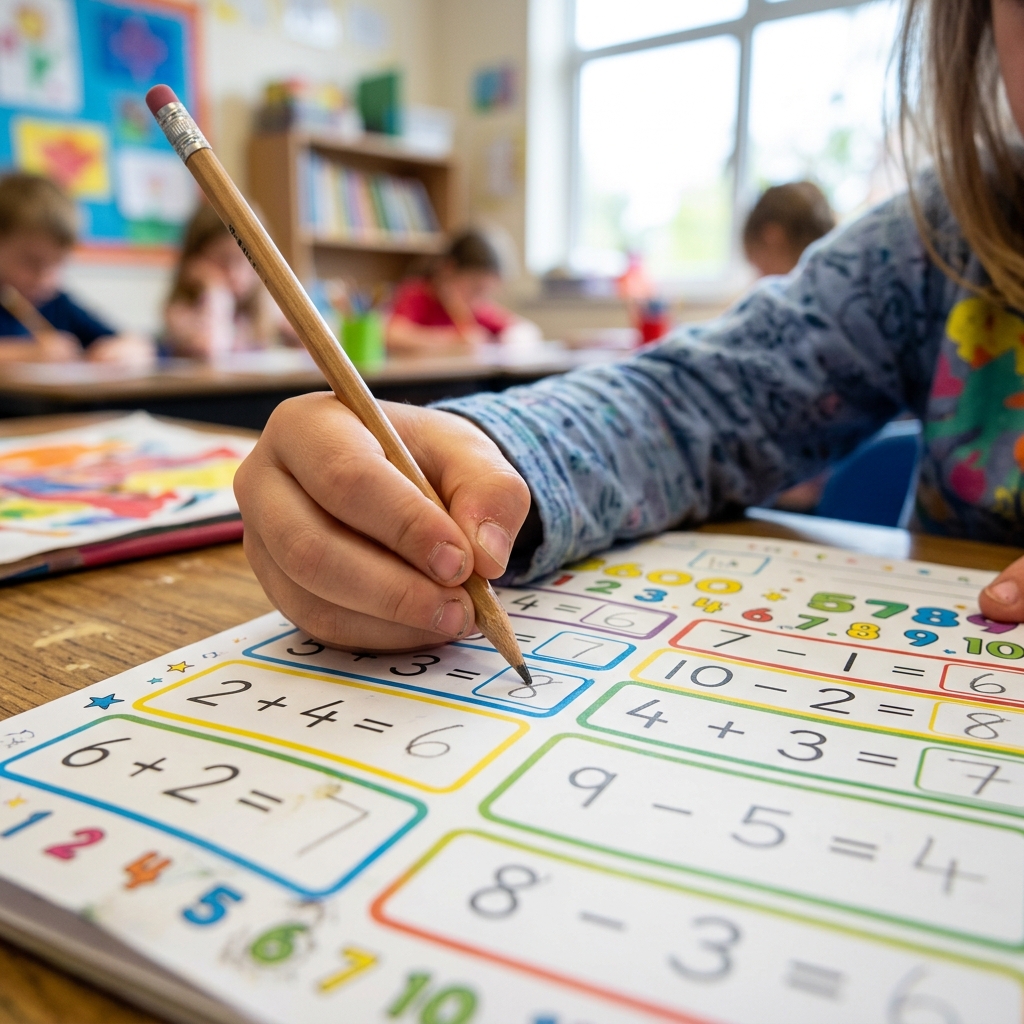
Math is a foundational skill required for everyday life, problem-solving, and utilizing math worksheets helps, and critical thinking. When children practice math through play and visually appealing materials, they are more likely to retain the information. Combining traditional free printable math worksheets with hands-on activities ensures that children of all learning styles—whether visual, auditory, or kinesthetic—can grasp complex concepts with ease.
Addition, Subtraction, and Multiplication Practice
Mastering the basic operations is essential before moving on to advanced mathematics. Consistent practice with math worksheets makes this easier. Utilizing addition and subtraction worksheets provides the repetition necessary to build speed and accuracy. Look for worksheets that incorporate themes your child loves, such as space, animals, or superheroes, to keep them motivated.
Once addition and subtraction are mastered, it is time to tackle multiplication. Rote memorization of times tables can be tedious. Instead, use multiplication practice sheets that feature puzzles, color-by-number, or word problems. This contextualizes the math, showing children how multiplication applies to real-world scenarios like sharing candy or grouping toys.
Interactive Counting and Math Games
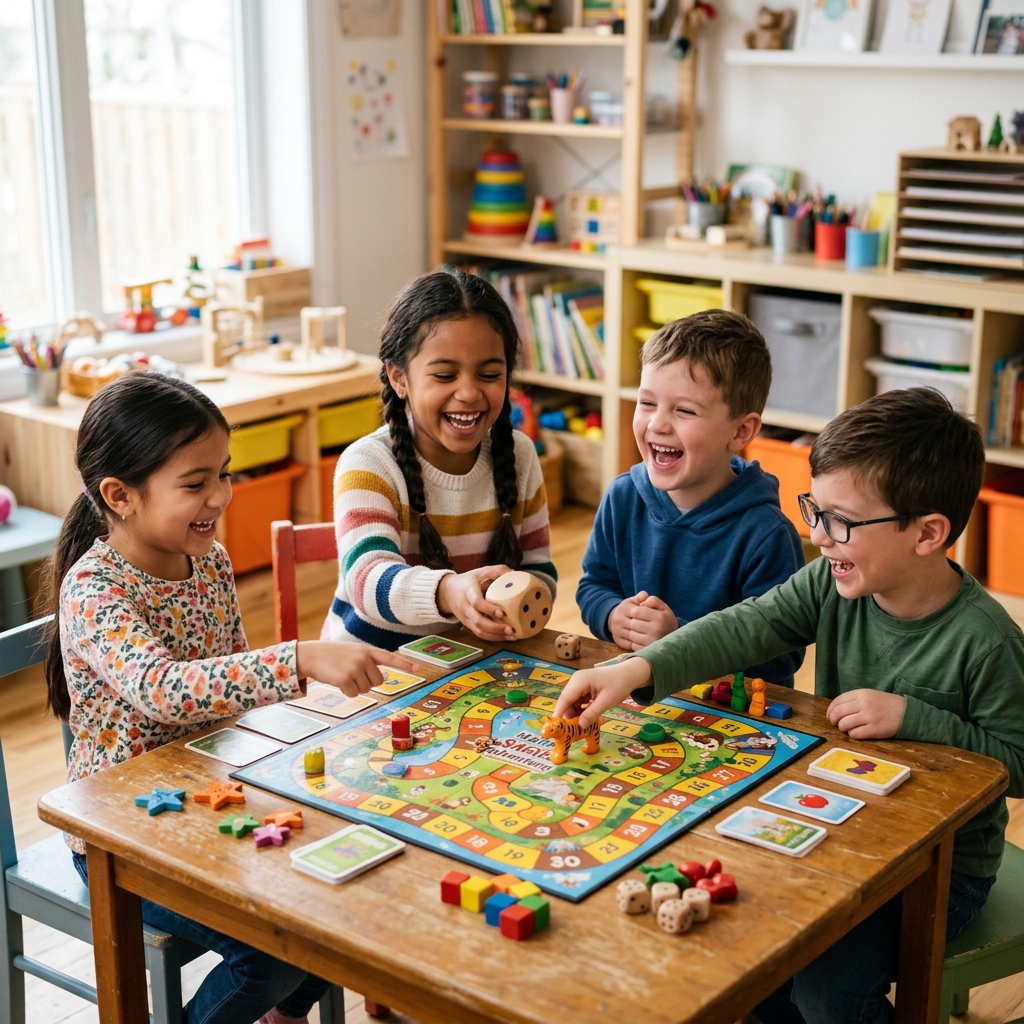
While math worksheets are great, sometimes putting the pencil down is the best way to learn. Counting games are perfect for younger learners to understand one-to-one correspondence. Simple activities like counting steps, sorting blocks by color, or playing board games with dice naturally integrate math into playtime.
For older children, screen time can actually be educational. There are numerous cool math games available online that challenge kids to solve math puzzles to advance to the next level. Incorporating these math games into their routine can serve as a fun reward while simultaneously reinforcing the concepts they learned on their worksheets.
Simple Geometry Activities for Kids
Math isn’t just about numbers; it is also about spatial reasoning and shapes. Engaging in geometry activities helps children understand the physical world around them. Start by identifying basic 2D shapes in your environment—like rectangular doors or circular clocks.
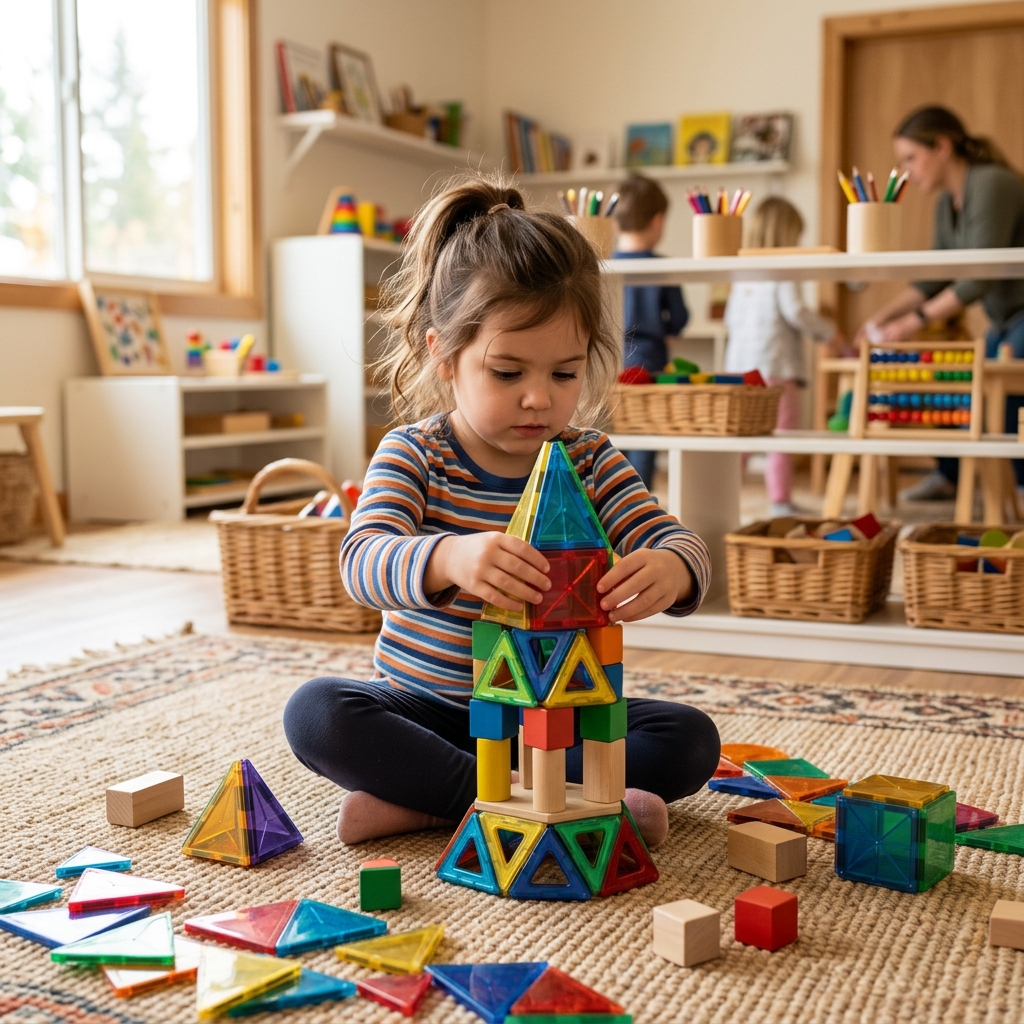
You can also use physical manipulatives like magnetic tiles, tangrams, or even marshmallows and toothpicks to build 3D structures. These tactile geometry activities teach concepts like symmetry, angles, and volume in a highly memorable and interactive way.
In addition to our math worksheets, you can find interactive lessons on Khan Academy’s math section. Combining interactive games with these math worksheets offers the best learning experience.
Conclusion
Making math enjoyable is entirely possible when you mix standard practice with engaging activities. Here are the three main takeaways:
- Balance Work and Play: Combine free printable math worksheets with interactive math games.
- Contextualize Operations: Use themed addition, subtraction, and multiplication practice sheets to keep interest high.
- Explore Space and Shapes: Incorporate hands-on geometry activities to develop spatial reasoning skills.
By providing a rich variety of math resources, you can help your child build a positive relationship with numbers that will last a lifetime.
Frequently Asked Questions
How many math worksheets should my child do a day?
Quality over quantity is key. For elementary students, 1-2 worksheets per day (taking about 10-15 minutes) is usually sufficient. The goal is to reinforce concepts without causing burnout.
Are online math games as effective as written practice?
Yes, online math games can be highly effective for building speed and engagement, especially for visual learners. However, they should complement, not completely replace, written practice which builds fine motor skills and shows their working process.
At what age should I introduce multiplication?
Multiplication concepts (like counting by 2s, 5s, or 10s) can be introduced as early as 1st grade. Formal multiplication practice sheets are typically introduced in late 2nd or 3rd grade.
What are some simple geometry activities I can do at home?
You can go on a shape hunt around the house, use playdough and toothpicks to build 3D shapes, or cut paper into different polygons to create a mosaic art piece.