
Are you searching for engaging and art projects for kids that will unleash their inner Picasso without requiring a trip to an expensive studio? Creating art at home is one of the most rewarding and developmentally beneficial activities you can offer your child. For historical inspiration, you can even explore resources like The MetKids project. Whether you are a homeschooling parent integrating art into your daily curriculum or simply looking for a productive weekend activity, discovering the right projects can transform a boring afternoon into a vibrant explosion of creativity. In this extensive guide, we will delve into a wide variety of amazing art projects that are specifically designed for children to do at home, using accessible materials and simple techniques.
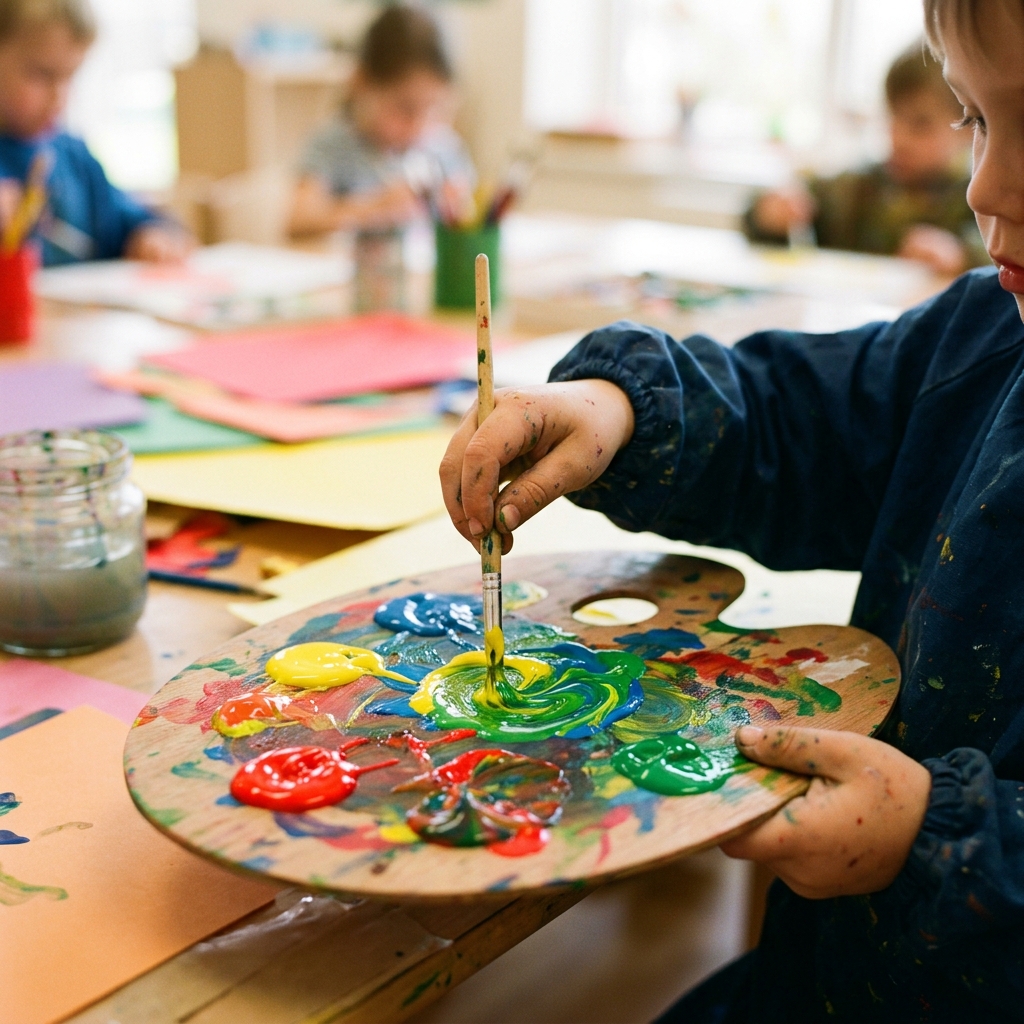
The Developmental Benefits of Art Projects for Kids
Before we jump into the specific projects, it is vital to understand why art projects for kids are so much more than just “making a mess.” Art is a fundamental language for children, especially those who are still developing their verbal communication skills. Through drawing, painting, and sculpting, children express complex emotions, recount experiences, and explore their imaginations.
From a physical standpoint, the act of holding a paintbrush, molding clay, or cutting paper with safety scissors significantly enhances fine motor skills and hand-eye coordination. These are the same muscles and neural pathways required for writing. Therefore, regular engagement in art directly supports early literacy and handwriting skills.
Cognitively, art projects teach problem-solving and critical thinking. When a child decides to mix yellow and blue to see what happens, they are conducting a basic science experiment.
When they figure out how to balance a cardboard sculpture so it doesn’t fall over, they are exploring principles of physics and engineering. Art encourages children to think outside the box and realize that there are often multiple solutions to a single problem. Check out our easy crafts for kids guide for more hands-on activities.
Setting Up a Conducive Environment for Art Projects for Kids
To foster a love for creativity, you need to provide an environment that encourages it. You don’t need a professional art studio, but having a designated space for art projects for kids can make a world of difference.
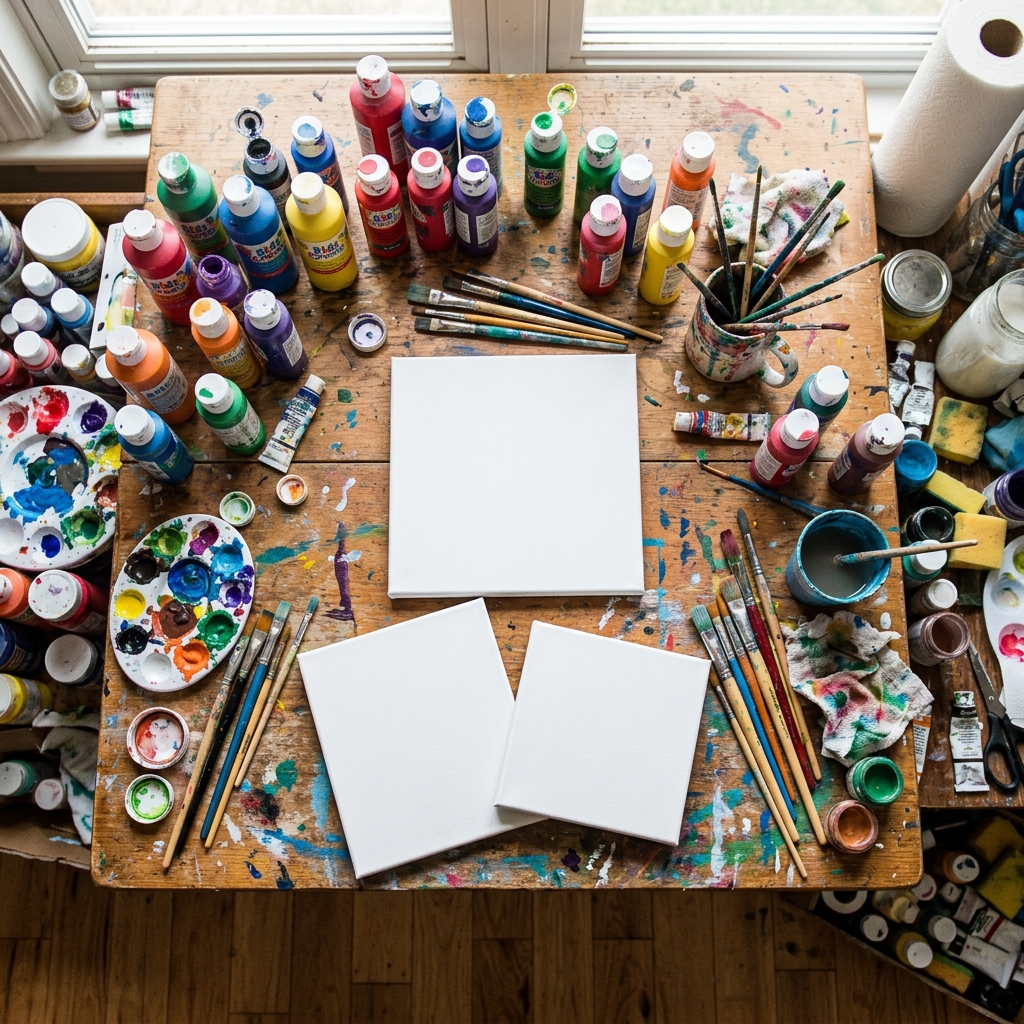
Start by choosing a location with easy-to-clean flooring, such as tile or linoleum, or simply lay down an inexpensive plastic drop cloth or an old shower curtain under the work table. Natural light is ideal, but good overhead lighting works just fine. Ensure that the table and chairs are ergonomically appropriate for your child’s size.
Organize supplies so they are easily accessible to the child. Use clear bins, mason jars, or a rolling cart to store crayons, markers, paints, brushes, paper, and recycled materials. When children can independently access their materials, they are more likely to initiate their own art projects for kids without waiting for an adult to set it up for them.
Top 5 Painting Art Projects for Kids
Painting is often the first thing that comes to mind when we think of art. Here are five fantastic painting-based art projects for kids that go beyond simply putting a brush to paper.
- Tape Resist Canvas Art: This project yields stunning, professional-looking results. Give your child a blank canvas and a roll of painter’s tape. Have them stick tape across the canvas in various intersecting geometric patterns. Once the tape is firmly pressed down, let them paint over the entire canvas using acrylic or tempera paints. After the paint is completely dry, carefully peel away the tape to reveal the crisp, white geometric lines beneath. It’s an abstract masterpiece every time!
- Bubble Wrap Stomping: Take a large sheet of butcher paper and lay it out on the floor (outside or in a very safe, easy-to-clean area). Wrap bubble wrap around your child’s feet and secure it loosely with tape. Pour washable tempera paint onto paper plates, let them step into the paint, and then walk or dance across the paper. The texture of the bubble wrap creates fascinating patterns, and the physical activity makes it one of the most energetic art projects for kids.
- Watercolor Salt Painting: This project combines art and chemistry. Have your child draw a design on thick watercolor paper using liquid white glue. Before the glue dries, generously sprinkle table salt over the entire design, then shake off the excess. Next, have them dip a paintbrush into liquid watercolors and gently touch the tip of the brush to the salt-covered glue lines. Watch as the salt absorbs the color and it spreads magically along the lines.
- Blow Painting with Straws: Drop small puddles of watered-down tempera paint or liquid watercolors onto a piece of paper. Give your child a plastic or paper straw and have them blow air through it to push the paint around the page, creating wild, splattered, branching designs. This is excellent for developing oral motor skills!
- Sponge Stamping: Cut regular household kitchen sponges into various shapes (stars, circles, squares, hearts). Children can dip the sponges into shallow dishes of paint and stamp them onto paper. This is a fantastic introduction to printmaking and pattern creation.
Exploring 3D Art Projects for Kids
Art doesn’t have to be flat! Exploring three-dimensional art projects for kids helps develop spatial awareness and engineering skills.
Cardboard Box Architecture: Save those Amazon boxes! Cardboard is incredibly versatile. Children can use scissors (or a parent can help with a craft knife), tape, and glue to build anything from small dollhouses to towering castles. Once the structure is built, they can paint it, add construction paper shingles, or draw on windows and doors.
Homemade Playdough Sculptures: Making the playdough is half the fun. A simple recipe of flour, salt, water, cream of tartar, and a little oil yields a perfect sculpting medium. Add food coloring or even essential oils for a sensory experience. Children can sculpt animals, imaginary creatures, or pretend food. If you want a permanent sculpture, look up recipes for air-dry clay or salt dough that can be painted after hardening.
Nature-Inspired Art Projects for Kids
Taking inspiration from the great outdoors is a wonderful way to combine fresh air with creativity. Nature provides an endless supply of free, beautiful art materials.
Leaf Rubbings: A classic autumn activity, but it can be done any time of year. Go on a nature walk and collect leaves of various shapes and sizes. Place a leaf vein-side up beneath a piece of thin white paper. Have your child rub the side of a peeled crayon over the paper, revealing the intricate texture of the leaf beneath.
Painted Rocks: Collect smooth, flat rocks from the yard or a local riverbed. Wash and dry them thoroughly. Using acrylic paints or specialized paint pens, children can transform these rocks into ladybugs, inspirational messages, or abstract designs. Once dry, seal them with a clear coat and place them back in the garden as colorful decorations.
Nature Mandalas: Collect petals, small pebbles, acorns, twigs, and leaves. Find a clear spot on the grass or patio and arrange the items in circular, symmetrical patterns radiating from the center. This is a beautiful, ephemeral form of art that teaches symmetry and mindfulness.
Displaying and Celebrating Your Child’s Art
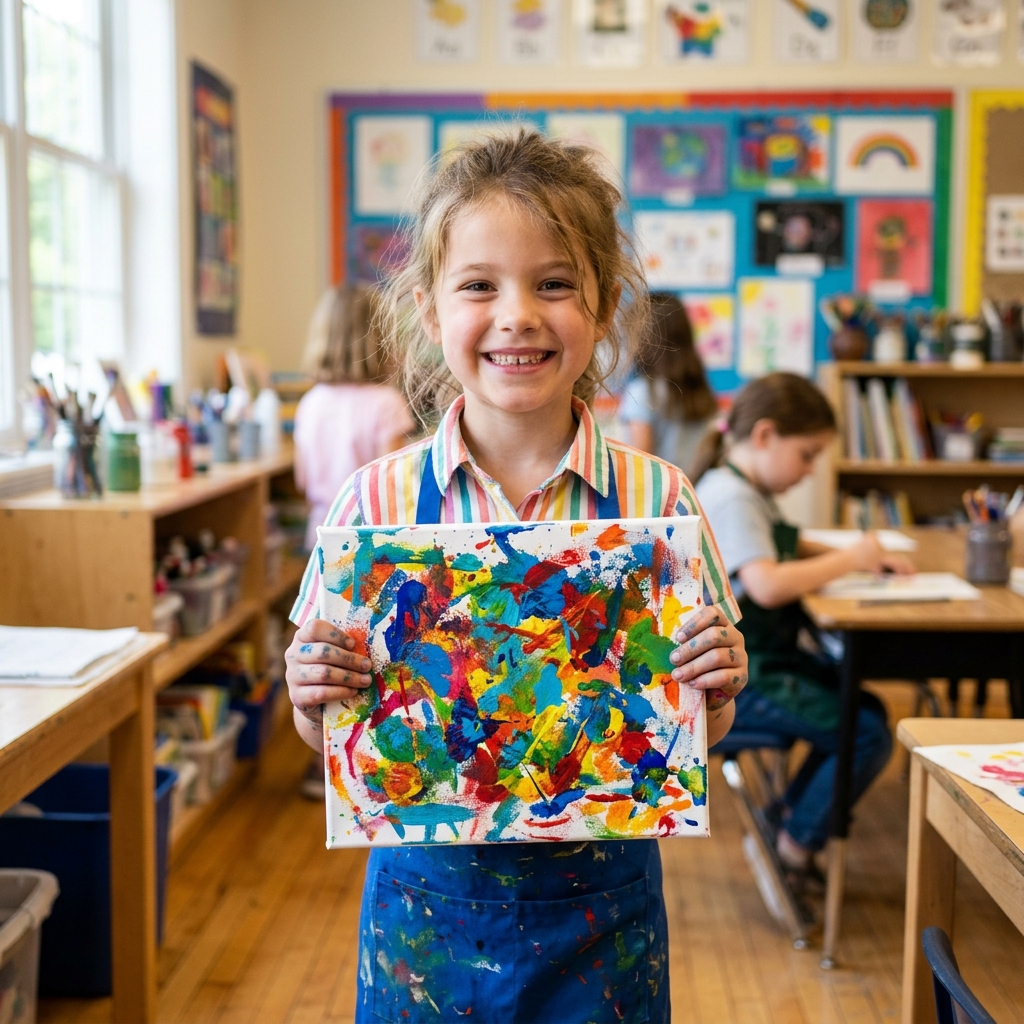
Completing art projects for kids is only part of the process; celebrating their work is equally important. When you proudly display your child’s art, you validate their effort and boost their self-esteem.
Create a dedicated gallery wall in your home. You can string a piece of twine across a wall and use clothespins to easily swap out new masterpieces. Alternatively, purchase a few inexpensive frames and rotate their best work. Don’t limit displays to the refrigerator!
For parents overwhelmed by the sheer volume of paper, consider creating a digital portfolio. Take well-lit photos of their art and compile them into an annual photo book. This preserves the memory of their art projects for kids without the physical clutter.
Conclusion
Incorporating regular art projects for kids into your home life provides immeasurable benefits for their cognitive, physical, and emotional development. From the chaotic joy of bubble wrap stomping to the focused precision of tape resist painting, these activities nurture a lifelong appreciation for creativity.
Remember, the focus should always be on the process, not the final product. Allow your children to experiment, make messes, and discover the joy of creating something entirely their own.
Frequently Asked Questions
What are the best art projects for kids who get bored easily?
For children with short attention spans, choose projects that yield immediate, dramatic results, such as watercolor salt painting or blow painting with straws. Projects that involve physical movement, like bubble wrap stomping, are also highly engaging.
How can I encourage my perfectionist child to enjoy art?
Focus on “process art” where there is no right or wrong outcome. Avoid giving them a model to copy. Abstract projects like tape resist canvas art or nature mandalas are excellent because they always look beautiful regardless of how “perfect” the execution is.
What paints are safest for indoor art projects for kids?
Washable tempera paints and liquid watercolors are the gold standard for indoor, child-friendly art. They are non-toxic and easily wash out of most fabrics and off of skin. Acrylic paints are great for permanent projects (like rock painting) but will stain clothing.
nnnExplore more: arts and crafts for kids
n