Teaching life skills for kids is one of the most important responsibilities parents and educators have. While academics provide a foundation for formal education, it is the practical and interpersonal skills that truly prepare children for the real world. In this comprehensive guide, we will explore the essential life and social skills every child needs, from building friendships to learning practical milestones. By the end of this article, you will have actionable strategies to empower your child for lifelong success.
What Are Life Skills and Why Do They Matter?
When we talk about life skills for kids, we are referring to the abilities for adaptive and positive behavior that enable humans to deal effectively with the demands and challenges of everyday life. These include communication, decision-making, creative thinking, and empathy. Cultivating these skills early on builds resilience, independence, and self-confidence.
Research consistently shows that children who are explicitly taught life skills exhibit better behavior in school, have stronger relationships with peers, and are better equipped to handle stress. Furthermore, these abilities lay the groundwork for a successful adulthood, where problem-solving and emotional intelligence are highly valued.
Developing Social Skills and Building Friendships
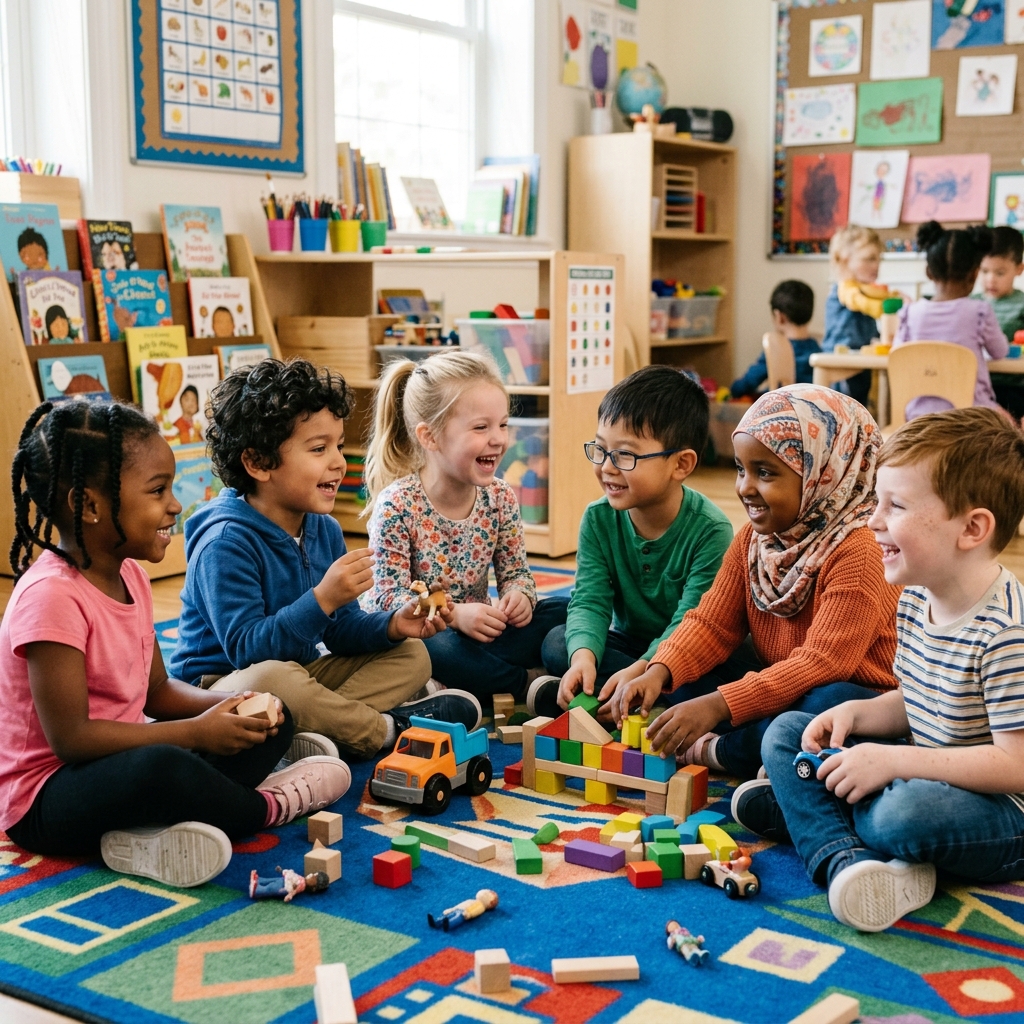
One of the most critical aspects of growing up is mastering social skills for kids. These are the tools children use to interact and communicate with others in a positive, productive manner. They include active listening, sharing, taking turns, and understanding non-verbal cues.
To foster healthy social development, encourage group play and provide opportunities for your child to interact with peers from diverse backgrounds. Role-playing different social scenarios at home can also be highly effective. For example, practice how to join a game gracefully or how to respond when a friend is feeling sad. Positive reinforcement when your child demonstrates empathy or cooperation goes a long way in solidifying these habits.
Coping Skills and Executive Functioning
Life is full of ups and downs, which is why coping skills for kids are absolutely essential. Coping skills are strategies that help children manage their emotions when they feel overwhelmed, angry, or anxious. Teaching techniques such as deep breathing, counting to ten, or using a “calm down corner” gives children healthy ways to process big feelings.
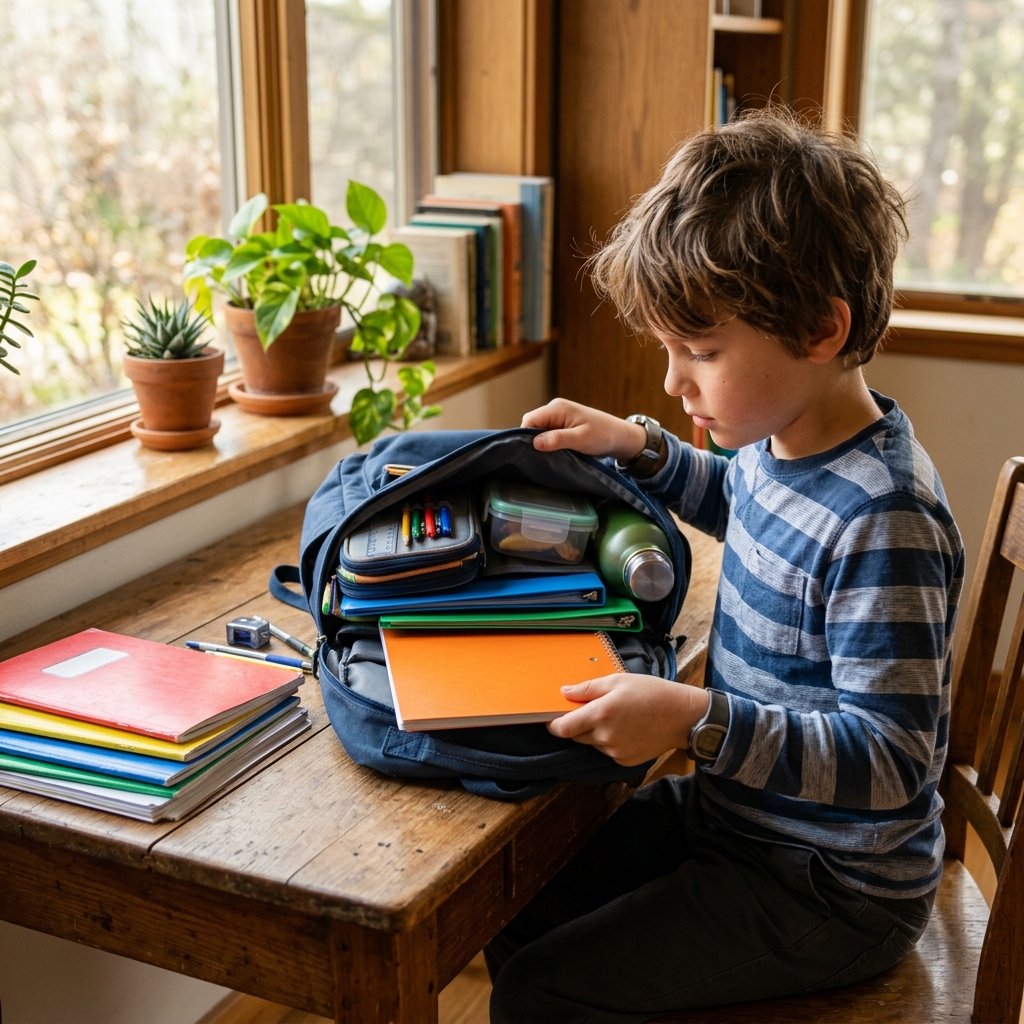
Equally important are executive functioning skills for kids. These involve the mental processes that enable us to plan, focus attention, remember instructions, and juggle multiple tasks successfully. You can support the development of executive functioning by establishing consistent routines, breaking large projects into smaller, manageable steps, and encouraging the use of visual schedules or checklists. Over time, these practices build strong organizational habits that will benefit them throughout their academic and professional careers.
Practical Milestones: How to Teach Kids to Read and Ride a Bike
Beyond emotional and cognitive skills, there are practical milestones that every child looks forward to achieving. Two of the most significant are learning to read and learning to ride a bicycle.
When it comes to literacy, many parents wonder how to teach kids to read effectively. The key is starting early with phonics and phonemic awareness. Read aloud daily, pointing to words as you go. Make it interactive by asking questions about the story and encouraging your child to predict what happens next. Celebrate small victories, like recognizing letters or sounding out a simple word, to keep their motivation high.
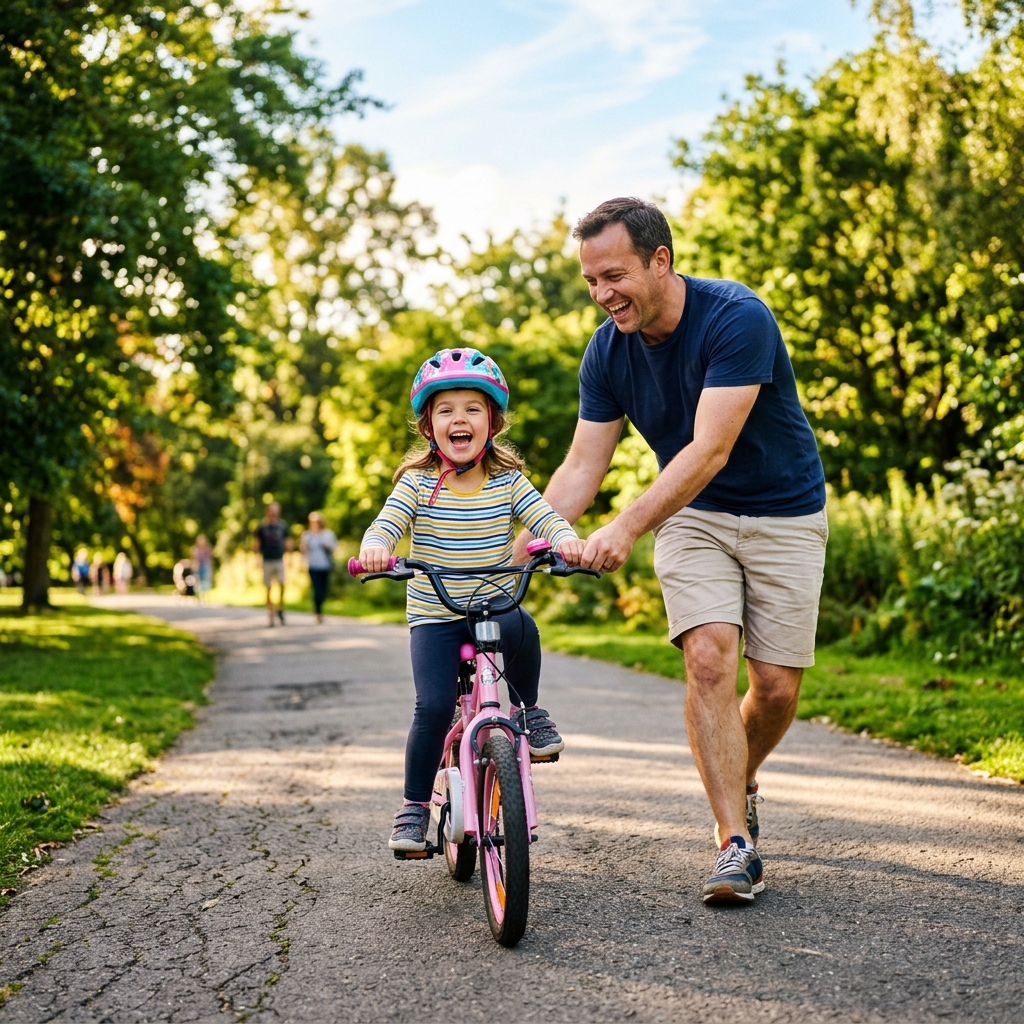
On the physical side, knowing how to teach a kid to ride a bike is a rite of passage for many parents. Start by removing the pedals to create a balance bike, allowing your child to master gliding and steering without the distraction of pedaling. Once they can balance comfortably for several seconds, reattach the pedals. Hold onto their torso rather than the handlebars or seat to help them find their center of gravity. Practice in a large, flat, grass-free area like an empty parking lot, and remember that patience and encouragement are your best tools.
Building Confidence Through Independence
The ultimate goal of teaching life skills is to foster independence. Allowing children to take on age-appropriate chores—such as setting the table, sorting laundry, or feeding a pet—instills a sense of responsibility and belonging. When children realize they can contribute meaningfully to the household, their self-esteem blossoms.
It’s important to step back and let them struggle occasionally. Solving a problem on their own, whether it’s untangling a shoelace or resolving a minor dispute with a sibling, reinforces their critical thinking and resilience. Your role is to guide and support, not to immediately rescue.
Conclusion
Equipping your child with essential life and social skills is a journey that requires time, patience, and consistency. To summarize, the key takeaways are:
- Social skills and emotional intelligence are just as critical as academic success.
- Coping and executive functioning skills provide the mental framework to handle stress and organize tasks efficiently.
- Practical milestones, like reading and riding a bike, require a structured, step-by-step approach combined with abundant positive reinforcement.
By intentionally focusing on these areas, you are setting the stage for a confident, capable, and well-rounded adult. Start integrating these lessons into your daily routines today, and watch your child thrive!
Frequently Asked Questions
What are the most important life skills for kids to learn early on?
The most important early life skills include basic communication, sharing, emotional regulation, and personal hygiene. As they grow, focusing on problem-solving, time management, and financial literacy becomes increasingly important.
How can I improve my child’s executive functioning skills?
You can improve these skills by establishing predictable daily routines, using visual planners, and teaching them to break complex tasks into smaller, actionable steps. Playing games that require memory and impulse control (like Simon Says) is also beneficial.
What is the best age to teach a kid to ride a bike?
Most children are ready to learn to ride a two-wheeled bike between the ages of 4 and 8. Starting them on a balance bike at age 2 or 3 can significantly speed up the learning process.
How do I teach coping skills to a child who gets easily frustrated?
Model calm behavior yourself and teach specific strategies during peaceful moments, not during a meltdown. Techniques like taking deep breaths, drawing their feelings, or counting backwards can give them a concrete way to regain control.
For additional evidence-based guidance, consult Harvard Center on the Developing Child.